Oil pipelines are among the most critical infrastructure assets in the energy sector. They span vast distances, operate under extreme conditions, and carry high-value resources. Effective asset management is essential to ensure pipeline integrity, regulatory compliance, and operational efficiency.
Oil pipelines face unique challenges:
Corrosion and wear
Environmental risks
Regulatory scrutiny
High maintenance costs
Without a robust asset management strategy, these challenges can lead to costly failures, environmental damage, and reputational harm.
1. Lifecycle Tracking
From design and installation to decommissioning, every pipeline component should be tracked. This includes materials, welds, valves, and monitoring systems.
2. Condition Monitoring
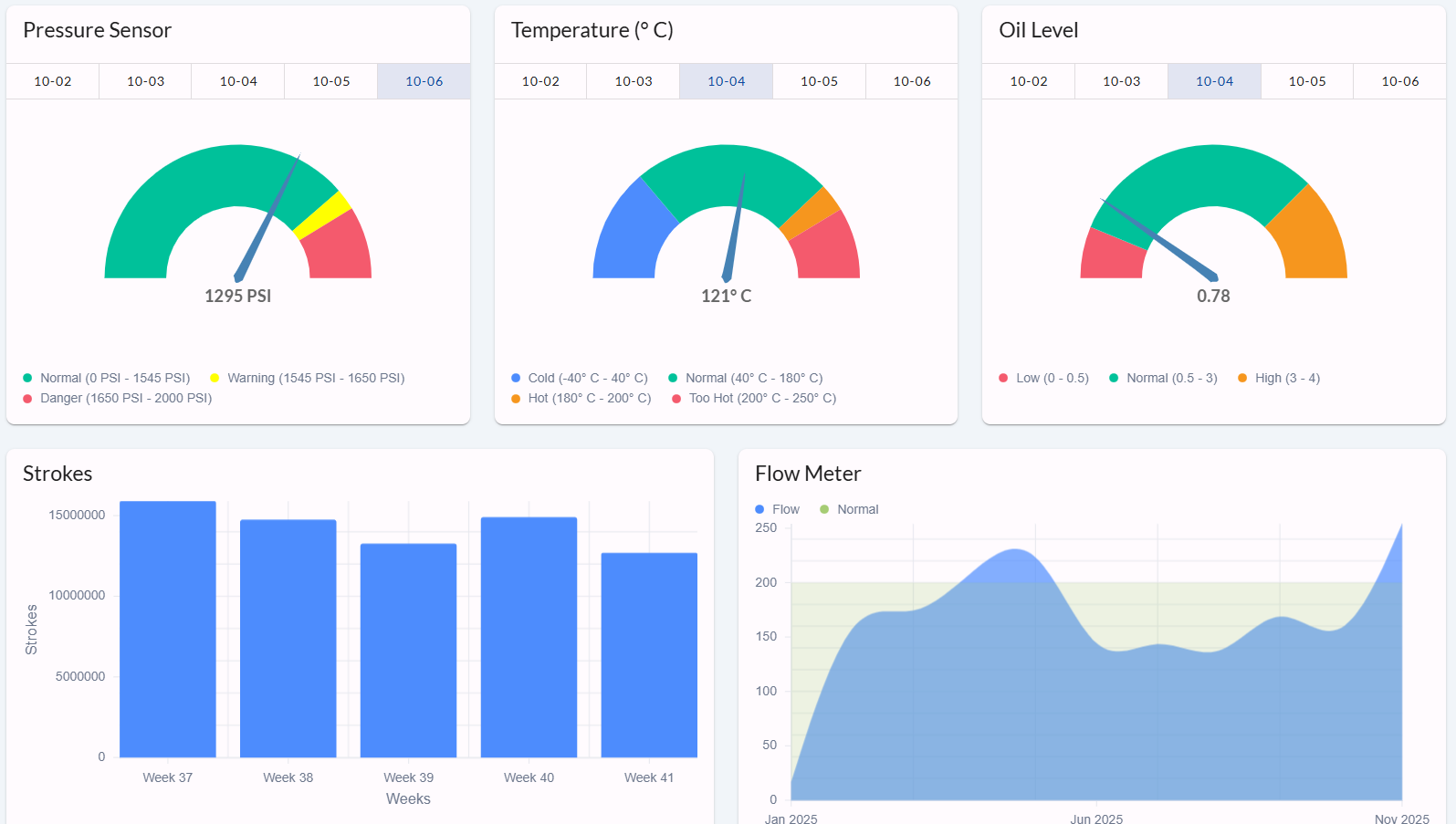
Use sensors and smart technologies to monitor pressure, flow rate, temperature, and vibration. Real-time data helps detect anomalies and prevent failures.
3. Predictive Maintenance
Leverage data analytics to anticipate issues like corrosion, leaks, or fatigue. Techniques include:
Ultrasonic testing
Magnetic flux leakage
Smart pigging
Thermal imaging
4. Regulatory Compliance
Asset management systems help ensure compliance with environmental and safety regulations by maintaining inspection records, certifications, and audit trails.
5. GIS Integration
Geospatial data helps track pipeline routes, identify risk zones, and plan maintenance activities more effectively.
Reduced downtime and emergency repairs
Improved safety and environmental protection
Optimized maintenance schedules
Enhanced decision-making with data insights
Lower total cost of ownership
Asset management for oil pipelines isn’t just about maintenance—it’s about strategic control over critical infrastructure. By adopting modern tools and practices, operators can ensure safe, efficient, and sustainable pipeline operations.
Signup for to receive updates, product updates and more!